

Smart UPS Eco Mode: How to Save Energy and Stay Secure
Energy costs are climbing and sustainability targets are getting stricter. Businesses across every sector are looking for smarter ways to cut consumption without risking uptime. One feature leading the charge is Eco Mode in Uninterruptible Power Supply (UPS) systems.
Eco Mode is designed to deliver the same critical power protection while using less energy. It helps your UPS operate more efficiently, reducing waste and lowering running costs without compromising the performance your equipment depends on.
In this guide, we’ll explain what Eco Mode is, how it works, and why it matters. You’ll learn how it saves energy, where it’s best applied, and what to consider before turning it on. Whether you manage IT infrastructure, facilities, or operations, understanding UPS Eco Mode is a simple way to make your power protection strategy greener and more cost-effective.
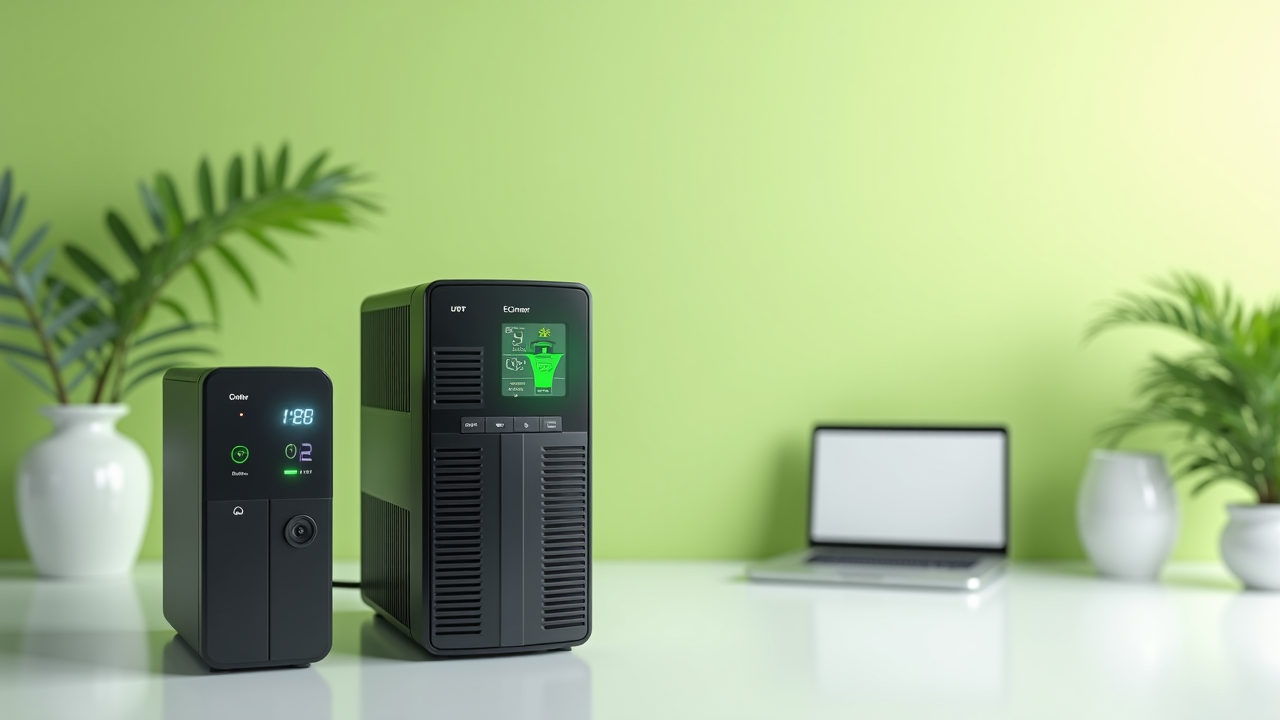
Understanding Uninterruptible Power Supply Systems
Power cuts can do more than flick the lights off. They can corrupt data, damage hardware, and bring business to a standstill. That’s why Uninterruptible Power Supply (UPS) systems are essential. They act as the safety net that keeps your technology protected and your operations running when the mains fail.
What is a UPS?
A UPS is a backup power system that steps in the instant mains power drops. Unlike a generator, which takes time to start, a UPS reacts immediately, delivering continuous power with no interruption. It’s the first line of defence for servers, comms rooms, and any environment where downtime isn’t an option.
In simple terms, a UPS sits between your power source and your critical equipment, smoothing out irregularities and providing clean, reliable power whenever you need it.
Key Components
To understand how a UPS works, it helps to know what’s inside:
Batteries: The energy store that keeps your systems running during an outage. Options include VRLA (lead-acid) or lithium-ion, each with different lifespans and performance profiles.
Inverter: Converts DC power from the batteries into the AC power your equipment uses.
Rectifier/Charger: Keeps the batteries charged while converting incoming AC to DC for storage.
Transfer Switch: Instantly switches power from the mains to the batteries when needed, so your equipment never sees the drop.
Control Circuits: The intelligence that monitors power quality, battery health, and system performance.
Each component plays a role in ensuring a seamless, reliable transition when the power goes out.
Why UPS Systems Matter
UPS systems are more than just backup batteries. They’re a vital part of any smart energy management plan.
Continuous Operation: Prevents downtime in critical environments such as healthcare, data centres, and retail systems.
Power Quality Control: Cleans the supply by smoothing voltage dips, spikes, and noise that can damage sensitive electronics.
Cost Savings: Protects against data loss and equipment damage, reducing repair costs and downtime losses.
In short, a UPS gives you stability when the grid doesn’t. It protects your investment, maintains uptime, and keeps your business running smoothly no matter what happens outside your walls.
What is Eco Mode?
Energy efficiency is a top priority for businesses today, and one of the simplest ways to achieve it is through Eco Mode in Uninterruptible Power Supply (UPS) systems. It’s designed to cut energy waste while maintaining the reliable protection your critical systems need.
Definition
Eco Mode, short for Economy Mode, allows a UPS to run at a higher efficiency by adjusting how it delivers power during normal operation. Instead of constantly running the inverter, the UPS feeds power directly from the mains supply when conditions are stable. The inverter remains on standby and takes over instantly if the power quality drops or an outage occurs.
In plain terms, Eco Mode keeps your systems protected but reduces unnecessary energy use when the mains supply is clean and stable.
Key Benefits
- Lower energy use: Reduces conversion losses by bypassing the inverter when it isn’t needed.
- Cost savings: Higher efficiency means lower electricity bills and cooling costs.
- Greener operation: Using less energy cuts your carbon footprint and supports sustainability targets.
How Eco Mode Works in UPS Systems
When enabled, Eco Mode routes incoming mains power directly to your equipment through the bypass circuit. The inverter stays powered and ready but doesn’t handle the load until it’s needed.
If the mains voltage or frequency drifts outside the safe range, the UPS instantly switches back to inverter mode to maintain power quality. This switch typically takes only a few milliseconds, so most equipment won’t even notice.
The result is a system that combines reliability with high efficiency often reaching 98 to 99 percent in Eco Mode. Less energy is wasted as heat, meaning cooler operation, quieter performance, and a longer lifespan for internal components.
Eco Mode is ideal for environments where mains power is generally stable, such as offices, retail spaces, and modern data rooms. It’s an easy way to make your power protection smarter, greener, and more cost-effective without sacrificing reliability.
Benefits of Eco Mode in UPS Systems
When it comes to Uninterruptible Power Supply (UPS) systems, performance and protection are always top priorities. But efficiency matters too, and that’s where Eco Mode makes a real difference. It delivers the same reliable backup power your business depends on while cutting energy use, reducing costs, and supporting your sustainability goals.
1. Greater Energy Efficiency
Eco Mode is built to optimise how your UPS consumes power. When mains supply is stable, the system bypasses the inverter and routes power directly to your equipment, cutting unnecessary conversion losses.
- Reduced energy waste: Less power is lost through heat or conversion.
- Cooler operation: Lower energy loss means less heat output and less strain on your cooling systems.
With efficiency levels often above 98%, switching to Eco Mode can make a noticeable difference to your energy performance.
2. Lower Operating Costs
Every watt saved is money saved. By running more efficiently, UPS systems in Eco Mode help reduce both electricity and cooling expenses.
- Lower utility bills: Reduced power draw translates directly into long-term savings.
- Reduced cooling demand: With less heat generated, air conditioning systems don’t have to work as hard, cutting energy costs even further.
For many businesses, these savings add up to thousands of pounds a year - funds that can be redirected to other areas of growth or investment.
3. Longer Equipment Lifespan
Running cooler and with less electrical stress means less wear on components inside your UPS.
- Less wear and tear: Internal parts last longer and need fewer repairs.
- Consistent performance: Maintaining stable operating conditions helps keep systems reliable over time.
By reducing mechanical and thermal strain, Eco Mode helps you get more years of dependable performance from your UPS investment.
4. Smaller Environmental Footprint
Energy efficiency and environmental responsibility go hand in hand. Eco Mode supports both.
- Lower carbon emissions: Using less power directly reduces greenhouse gas output.
- Sustainable operation: Choosing energy-smart features like Eco Mode contributes to greener, more responsible business practices.
Adopting Eco Mode isn’t just a technical upgrade — it’s a step towards a more efficient, sustainable, and cost-effective future. It helps businesses stay powered, stay protected, and do their part for the planet at the same time.
Comparison: Eco Mode vs. Normal Operation Mode
When it comes to managing your UPS systems, the choice between Eco Mode and Normal Operation Mode comes down to priorities. Do you value maximum efficiency or maximum power conditioning? Both have their place, but understanding how they differ helps you choose the best setup for your environment.
Performance During Power Disturbances
The key difference lies in how quickly each mode responds when mains power fluctuates or fails.
- Eco Mode: The UPS runs on mains power during stable conditions and switches to inverter mode only when it detects a problem. The transfer is nearly instantaneous - fast enough that most modern IT and network equipment never notices.
- Normal Operation Mode: The inverter is always active, constantly conditioning power and shielding equipment from even the smallest variations. There’s zero transfer time because the load is already running through the inverter.
For environments where power is generally clean and stable, Eco Mode delivers excellent protection and efficiency. Where power quality is less predictable (such as in industrial or remote settings) normal mode offers an extra layer of assurance.
Energy Consumption and Efficiency
This is where Eco Mode shines.
- Eco Mode: By bypassing the inverter when it’s not needed, the UPS can reach efficiencies of 98–99%, cutting unnecessary energy use and reducing running costs.
- Normal Operation Mode: Because the inverter runs continuously, efficiency is typically lower (around 94–96%), meaning more energy is converted to heat and lost in the process.
Over time, that difference can translate to significant savings on electricity and cooling, especially in facilities running multiple UPS systems.
Heat Generation and Cooling Needs
The less energy your UPS wastes, the less heat it produces and the less strain that puts on your cooling systems.
- Eco Mode: Reduced heat output helps maintain cooler, more stable conditions for both your UPS and the surrounding equipment.
- Normal Operation Mode: Constant inverter use generates more heat, increasing the workload on air conditioning systems and accelerating wear on internal components.
Choosing Eco Mode can therefore lower not just your energy bill but also your maintenance costs, as cooler systems tend to last longer.
The Bottom Line
Both modes have clear advantages.
- Eco Mode: Ideal for stable power environments where energy efficiency and cost savings are key.
- Normal Mode: Best for mission-critical or power-sensitive applications that require the highest level of conditioning and zero transfer time.
By balancing performance requirements with energy goals, you can choose the mode that best fits your operation. In many modern setups, Eco Mode offers a smart middle ground, maintaining protection while delivering measurable savings.
Impact on Protection and Reliability
In today’s always-on world, reliable power isn’t a luxury - it’s essential. Businesses depend on stable energy to keep systems operational, protect valuable equipment, and maintain productivity. That’s why balancing energy efficiency with protection and reliability is at the heart of every well-designed UPS strategy.
When using features like Eco Mode, understanding how they affect overall protection standards and equipment safety ensures that efficiency never comes at the cost of reliability.
Maintaining Power Protection Standards
Strong protection standards are what keep your systems safe when the unexpected happens. A well-managed UPS should meet or exceed the latest regulatory and performance benchmarks to ensure clean, consistent power delivery.
- Reliability: Adhering to updated standards keeps your system prepared for potential faults or power anomalies.
- Safety: Compliance ensures that personnel and equipment are shielded from harmful surges and short circuits.
- Efficiency: Proactive monitoring tools help maintain peak performance while reducing downtime and maintenance costs.
Regular testing, real-time monitoring, and firmware updates help ensure your UPS continues to meet evolving industry standards, keeping your protection levels consistent even as technology and regulations change.
Ensuring Equipment Safety
A UPS system’s primary role is to protect connected equipment, and that means safety comes first. With Eco Mode enabled, the system still provides automatic protection the moment mains power quality dips switching to inverter operation within milliseconds.
To maintain safety and performance:
- Schedule regular maintenance: Preventive servicing helps catch small issues before they become costly failures.
- Invest in staff training: Teams that understand how UPS systems work are better equipped to manage them safely and effectively.
- Use protective components: Circuit breakers, surge suppressors, and isolation transformers all enhance fault tolerance and equipment security.
When your UPS is properly maintained and managed, you can operate confidently, knowing your infrastructure is protected against sudden power disturbances.
Mitigating Risks During Outages
Even with the most stable mains supply, outages happen. A well-planned UPS system, supported by clear procedures, can make the difference between a brief interruption and a major disruption.
Key strategies include:
- Backup systems: Redundant UPS units or generator links ensure continuity when one power source fails.
- Emergency protocols: Clear response plans help teams act quickly and minimise downtime.
- Routine drills: Regular testing ensures your team and systems are always ready for real-world scenarios.
Preparation is the foundation of resilience. With the right systems and training in place, your business can continue operating smoothly through outages, voltage fluctuations, and grid instability.
The Bottom Line
Energy efficiency and power protection can (and should) work hand in hand. By maintaining high standards, prioritising safety, and planning for disruptions, Eco Mode can be part of a resilient power strategy that keeps your business running efficiently and securely.
Implementation of Eco Mode
Switching your UPS systems to Eco Mode is one of the simplest yet most effective ways to cut energy costs and reduce your environmental impact without compromising reliability. Modern UPS units make the transition straightforward, but it’s important to check compatibility, configure the settings correctly, and monitor performance to ensure maximum benefit.
Checking Compatibility
Before enabling Eco Mode, verify that your UPS system is designed to support it. Most modern online and line-interactive UPS models include this feature, but it’s worth confirming a few details first:
- Model capabilities: Review your manufacturer’s specifications or user manual to ensure Eco Mode is available on your UPS.
- Firmware updates: Keep firmware current - updates often add improved energy-saving functions or better transfer logic for Eco Mode.
- Load requirements: Check that Eco Mode can comfortably support the total load of your connected equipment. For mission-critical setups, confirm that power quality remains within acceptable limits during transitions.
A quick compatibility check upfront ensures your system performs safely and efficiently once Eco Mode is enabled.
Setting Up Eco Mode
Once compatibility is confirmed, enabling Eco Mode is usually a simple process. Setup steps vary slightly between brands, but the principle remains the same:
- Access the control interface: This can be done through the UPS front panel, network management card, or manufacturer software.
- Locate Eco Mode settings: Navigate to the energy or operating mode section in the menu.
- Adjust parameters: Configure thresholds for switching between inverter and bypass operation based on your environment’s power stability.
- Save and activate: Apply changes and monitor your UPS as it transitions to Eco Mode operation.
Many UPS units also allow fine-tuning of sensitivity levels, helping balance energy savings with the degree of power conditioning you need.
Monitoring and Fine-Tuning Performance
After activating Eco Mode, continuous monitoring is essential to ensure smooth operation and optimal energy performance. Keep an eye on:
- Load capacity: Confirm that connected loads remain within safe limits and that no devices are sensitive to brief transfer delays.
- Energy efficiency: Compare power consumption before and after enabling Eco Mode to track savings.
- Alerts and events: Review system logs or notifications for any warnings indicating unstable input power or mode switching frequency.
Regular reviews help you refine your settings and verify that Eco Mode is delivering both reliability and efficiency across your operations.
A Smarter, More Sustainable Setup
Implementing Eco Mode is more than a simple configuration change, it’s a step towards smarter energy management. By taking the time to assess compatibility, apply correct settings, and monitor performance, you’ll reduce running costs, extend equipment life, and contribute to a more sustainable power strategy.
Small adjustments today can lead to big savings tomorrow for your business, your equipment, and the environment.
Future of Eco Mode in UPS Technology
The future of power management is smarter, cleaner, and more connected — and Eco Mode is right at the centre of that evolution. As businesses demand both reliability and efficiency, UPS technology continues to advance, offering new ways to save energy, reduce costs, and operate sustainably without sacrificing protection.
Advancements in UPS Design and Efficiency
UPS systems have come a long way from bulky, power-hungry units to sleek, intelligent devices designed for performance and sustainability. The latest innovations are setting new standards for what energy efficiency really means.
- Higher efficiency ratings: Modern UPS systems now achieve efficiency levels above 95%, and in Eco Mode, they can push past 98%. That means less waste, lower costs, and a smaller carbon footprint.
- Smaller, smarter builds: Advances in power density have led to more compact UPS units that deliver the same (or greater) performance while taking up less space.
- Integration with renewables: Many next-generation UPS systems can now pair with solar panels or other renewable energy sources, helping businesses offset grid dependence and reduce emissions.
- Modular scalability: Modular UPS designs make it easy to add capacity as power needs grow, extending the system’s life and improving return on investment.
These developments don’t just make UPS systems more efficient, they make them more adaptable, reliable, and aligned with the sustainability goals that modern organisations prioritise.
The Role of Smart Technologies in Power Management
The integration of smart technologies is transforming how UPS systems operate and how businesses manage their energy use. By combining Eco Mode with intelligent monitoring and automation, operators gain deeper insight and control than ever before.
- Real-time visibility: IoT-enabled UPS units continuously track performance metrics like load, voltage, and temperature, providing instant alerts and actionable insights.
- Predictive analytics: AI-driven analytics can identify trends, anticipate battery or component wear, and schedule maintenance before downtime occurs.
- Automated optimisation: Smart management systems automatically adjust UPS settings, including Eco Mode thresholds, to match usage patterns and grid conditions.
- User-friendly interfaces: Modern dashboards and mobile apps simplify control, letting users fine-tune Eco Mode or review energy performance from anywhere.
Together, these technologies enable UPS systems to be both more autonomous and more efficient, delivering energy savings while keeping critical loads protected.
A Smarter, Greener Future
Looking ahead, Eco Mode is set to become a standard feature across the UPS industry. As efficiency and sustainability continue to drive innovation, businesses adopting Eco Mode today are positioning themselves for the future — one where power systems are intelligent, self-optimising, and environmentally responsible.
By embracing these advancements now, you’re not just saving energy — you’re building resilience, cutting costs, and taking a meaningful step toward a sustainable power strategy that will serve your operations for years to come.
Conclusion
Eco Mode in Uninterruptible Power Supply systems marks a major step forward in energy-conscious power protection. It allows businesses to reduce energy use and costs while maintaining the reliability that keeps operations running smoothly. Beyond efficiency, Eco Mode supports sustainability goals, extends equipment lifespan, and helps build a smarter, greener power infrastructure.
At UPSBuyer, we know that achieving true efficiency is about more than saving power — it’s about protecting what matters most. Our high-performance UPS systems combine advanced technology with dependable protection, helping you stay powered, secure, and sustainable.
If you’re ready to optimise your energy strategy and take the next step in reliable power management, explore our UPS range at UPSBuyer and find the solution built for your business.
Frequently Asked Questions
What is Eco Mode in a UPS system?
Eco Mode (or “Economic Mode”) is an energy-saving operating mode found in many modern Uninterruptible Power Supply systems. It allows the UPS to deliver power directly from the mains when conditions are stable, bypassing the inverter to reduce energy loss, while still providing full protection if the power supply becomes unstable.
Does using Eco Mode affect power protection?
No - not when used in the right environment. The UPS constantly monitors the quality of incoming power and will switch to inverter mode instantly if it detects any irregularities. This ensures that your connected equipment remains protected, even while benefiting from higher efficiency.
How much energy can Eco Mode save?
Savings vary depending on your setup and load, but most UPS systems running in Eco Mode can achieve efficiencies of 98% or higher. Over time, that can translate into noticeable reductions in electricity use and cooling costs.
Is Eco Mode suitable for all UPS systems?
Eco Mode is available on many online and line-interactive UPS models, though not all systems support it. It’s best suited to environments with stable power conditions, such as offices, server rooms, and data centres with reliable mains supply. Always check your manufacturer’s specifications before enabling Eco Mode.
Can switching to Eco Mode extend the lifespan of my UPS?
Yes. Because Eco Mode reduces heat and stress on internal components, it can help extend the lifespan of both the UPS and its batteries. Less heat means less wear, which contributes to lower maintenance costs and improved reliability over time.
When should I avoid using Eco Mode?
If your site experiences frequent power fluctuations or unstable mains supply, it’s best to operate in normal (online) mode. This ensures continuous conditioning and maximum protection for sensitive equipment.